Sefton Council manages a diverse portfolio of public assets, open spaces, and land across the borough. As a trusted partner, Oculus Group works alongside the council to ensure sites are kept secure, clean, and well maintained.
The Challenge
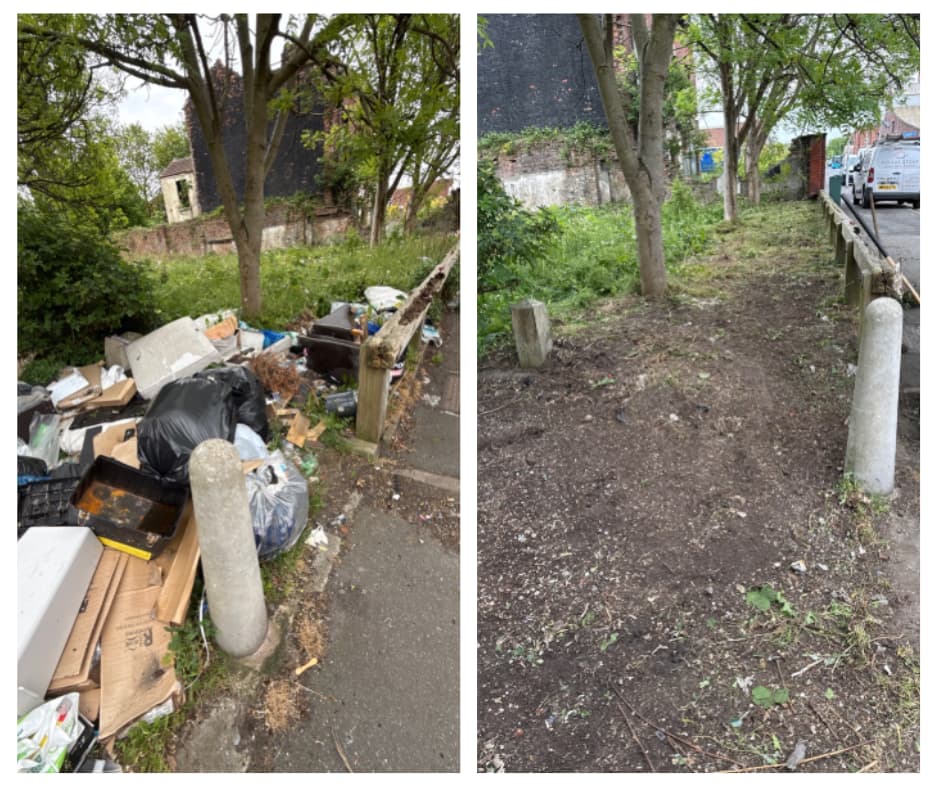
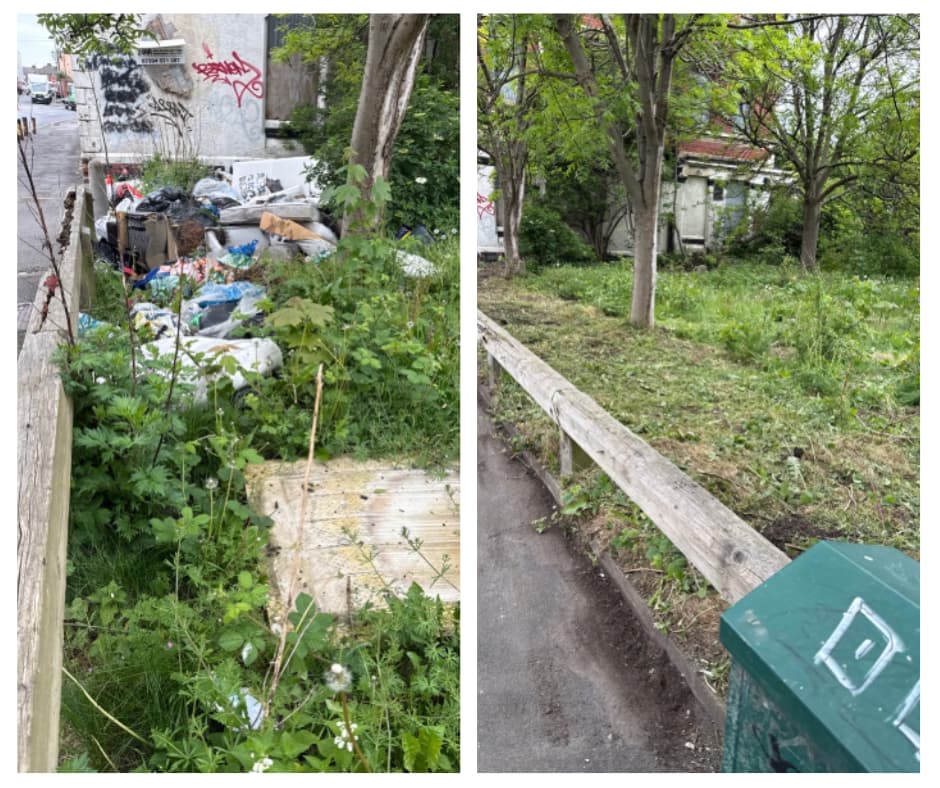
Sefton Council identified a site that had become a recurring target for fly-tipping. The surrounding area had also become overgrown with grass, brambles, and weeds, making the site increasingly difficult to manage and leaving it vulnerable to further incidents.
The council required a two phase response – first to clear the site of all fly-tipped material and vegetation, and then to install a permanent physical deterrent to prevent future occurrences.
The Solution
Our team worked across two consecutive days to deliver a structured and efficient resolution:
Day one – Site clearance – We attended the site to remove all fly-tipped rubbish, followed by a full clearance of overgrown grass, brambles, and weeds in the area.
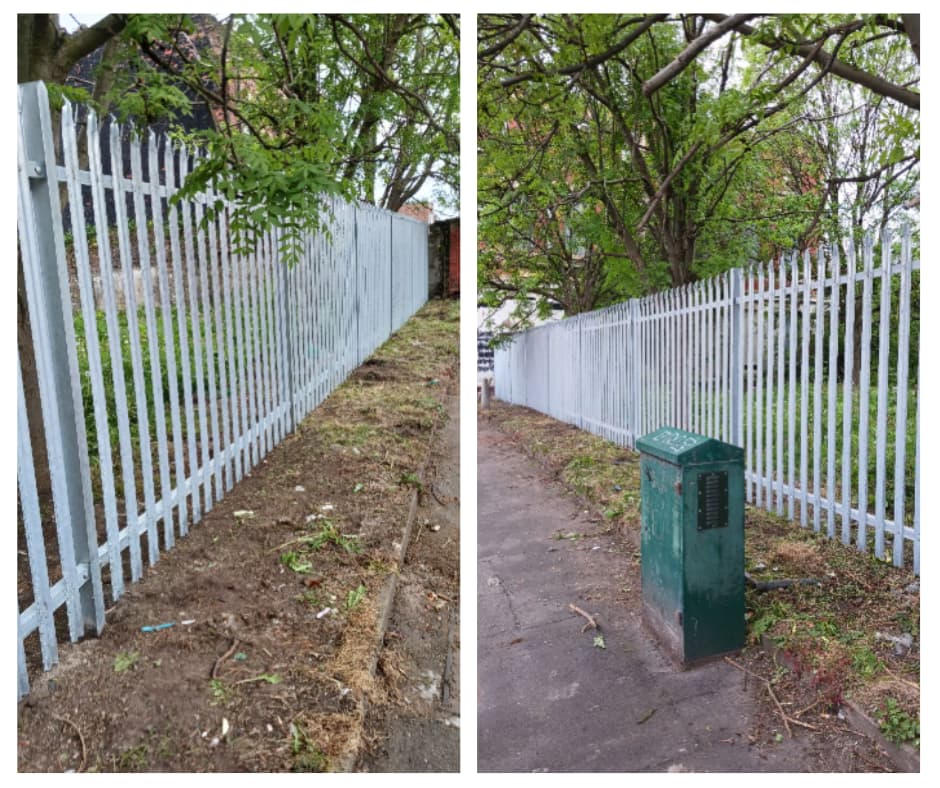
Day two – Fence installation – Our team returned to the site to install a robust palisade fence along the boundary, complete with an access gate secured with a padlock.
Deterrent-focused approach – The installation was specifically designed to close off access to the site and prevent repeat fly-tipping events.
Efficient project management – Works were coordinated and completed within a two-day programme, minimising disruption and delivering a prompt resolution for the council.
The Outcome
Upon completion of works:
The site was fully cleared of all fly-tipped waste and overgrowth, restoring it to a safe and presentable condition.
A new palisade fence and gated entrance with padlock were successfully installed, securing the boundary.
The physical deterrent put in place significantly reduces the likelihood of further fly-tipping at the location.
Sefton Council now benefits from a cleaner, more secure site – with a long-term solution in place to protect the area and reduce the burden of future reactive clearance costs.